Hi there, I'm Kai!
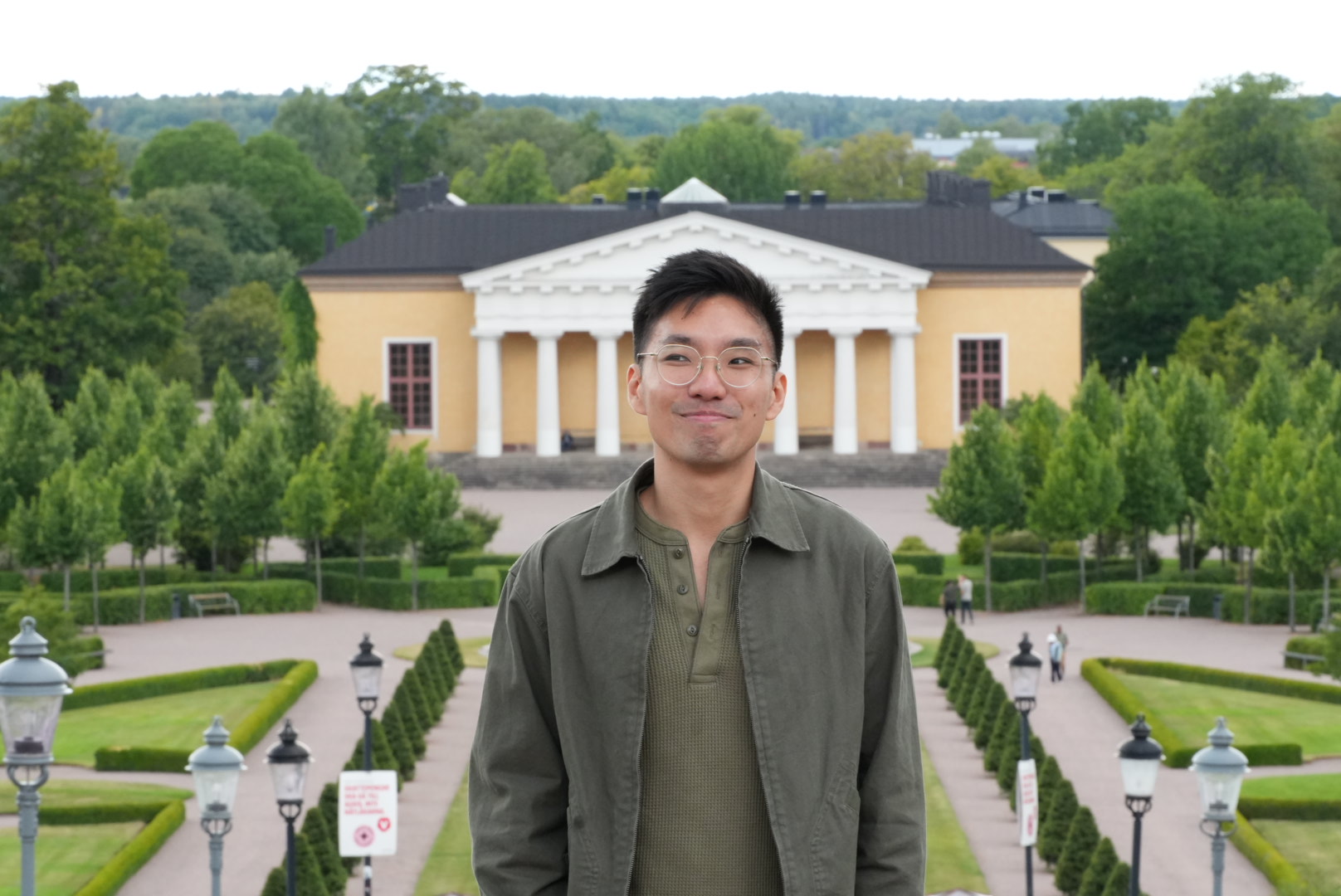
I am a storyteller, researcher, and journalist.
What structures and inequalities contribute to marginalised groups being rendered invisible in official data and statistics? And what can we learn from past efforts to resist, refute, and correct epistemic injustice in data? This is the subject of my research, which I am working on as a PhD candidate at Stockholm University's department of media studies.
My previously published research focuses on contestations over truth and accuracy. Specifically, civil society responses to Singapore's controversial law against "fake news" and how civil society navigates authoritarian constraints over data.
Before pursuing my PhD, I trained in sociology and political science, graduating at the top of my class from the University of Cambridge as a postgraduate Chevening scholar (which funded my degree), and completing my undergraduate studies at Leiden University.
Background:
Beyond academia, I have also been a journalist with The Straits Times (Singapore's national newspaper), writing about subcultures and under-represented perspectives. Across my over two-year stint in the newsroom, I am proud to have written some of the newspaper's most unusual and surprising stories.
These feature-length investigations have spanned everything from the prevalence of image-based sexual abuse, internet restrictions faced by domestic workers, how the nation's ride-hailing app's expansion comes at the cost of workers' precarity, and a history of dying in Singapore.
My other work experiences include stints at other media outlets (Business Insider and Yahoo Singapore) and working with non-profits and think tanks (the International Centre for Counter-Terrorism and the Global Partnership for the Prevention of Armed Conflict).
Between 2019 and 2022, I also compiled the POFMA'ed Dataset, which recorded every instance of use of Singapore's controversial law against "fake news". This dataset was cited by Freedom House, the International Commission of Jurists, and the ASEAN Parliamentarians for Human Rights in their analyses of the law's impact on political discourse.
To contact me:
You can reach me at teokaixiang@protonmail.com or kaixiang.01 on Signal. Always happy to be a listening ear, especially if you have a story to share or are looking to collaborate on projects relating to access to information.
I can also be found on LinkedIn and Bluesky.
If you enjoy my work, check out my personal newsletter dedicated to the overlooked, obscure, and seemingly trivial things that define life in Singapore: Singapore Samizdat.